AI Trend2026.05.16
OpenAI's ChatGPT Enters Personal Finance: What It Means to Let AI See Your Bank Account
ChatGPT가 내 통장을 본다: AI 개인 금융 시대의 시작
읽기 도움말Intro
Imagine asking your AI assistant "Why did I spend so much money last month?" — and instead of guessing, it pulls up your actual bank statements and gives you a precise, personalized answer. That scenario just became real. On May 15, 2026, OpenAI announced that ChatGPT will allow users to connect their bank accounts, credit cards, and investment portfolios directly to the AI — making it the first major general-purpose AI chatbot to enter the personal finance management (PFM) space. This is a significant moment — not just for OpenAI, but for the entire industry, which has spent a decade building apps to do exactly what ChatGPT is now promising to do in a conversation.
AI 어시스턴트에게 "나 지난달 왜 이렇게 돈을 많이 썼지?"라고 물었을 때, AI가 추측하는 게 아니라 실제 은행 내역서를 불러와서 정확하고 맞춤화된 답변을 준다면 어떨까요? 그 시나리오가 현실이 됐어요. 2026년 5월 15일, 오픈AI는 ChatGPT에 은행 계좌, 신용카드, 투자 포트폴리오를 직접 연동할 수 있다고 발표했어요. 이로써 ChatGPT는 개인 자산 관리(PFM) 분야에 진출한 최초의 주요 범용 AI 챗봇이 됐어요. 이건 오픈AI만이 아니라 핀테크 업계 전체에 의미 있는 순간이에요. 핀테크 업계는 10년 동안 ChatGPT가 이제 대화 한 번으로 해주겠다고 약속하는 바로 그 일을 하는 앱을 만들어왔거든요.
How It Works
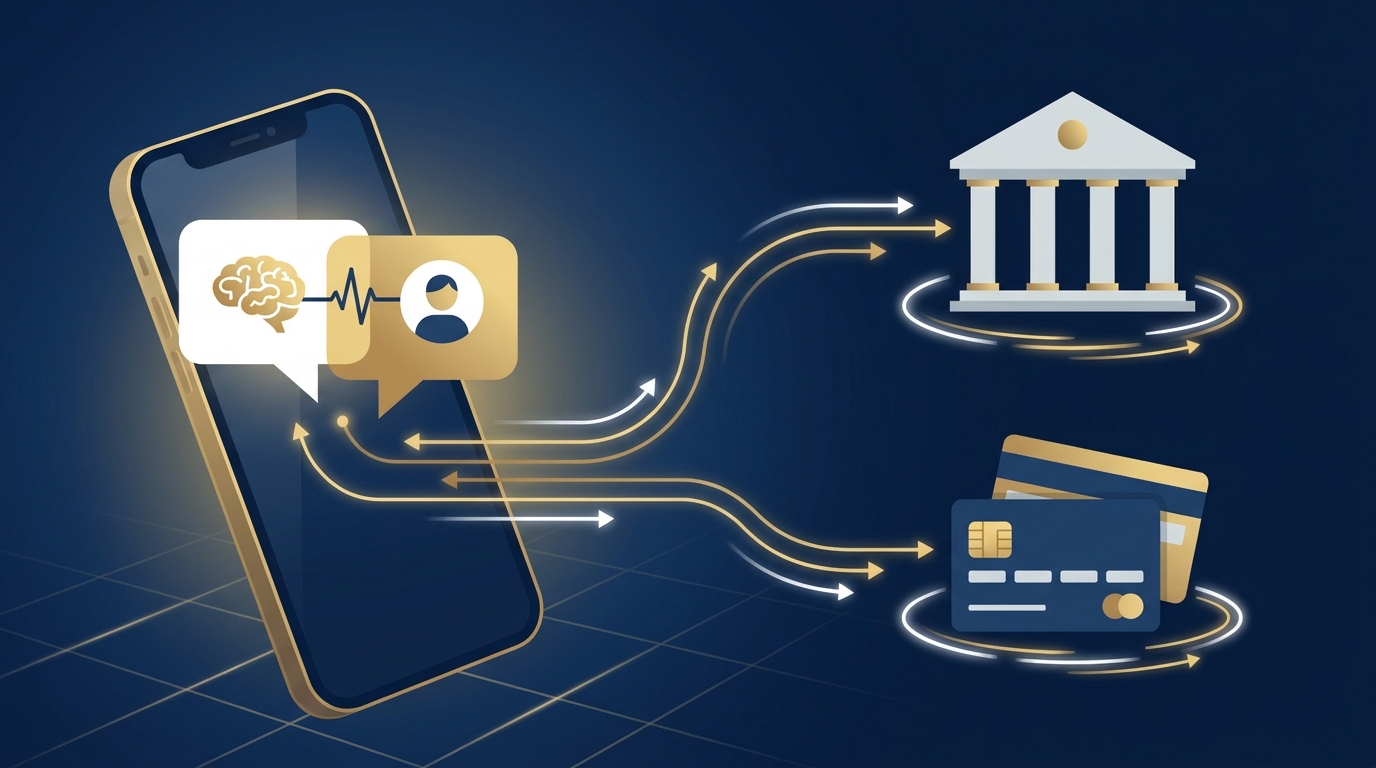
At the technical level, ChatGPT's personal finance feature relies on account aggregation — a technology that collects financial data from multiple institutions and presents it in one unified view. This is the same infrastructure that powers services like Plaid, which acts as a secure bridge between users' bank accounts and third-party apps — you may have used it without knowing it, whenever you linked a bank account to Venmo or a budgeting app. Once connected, ChatGPT can analyze your transaction history, identify spending patterns, flag unusual charges, and answer natural-language questions about your finances — without you having to export a spreadsheet or remember exact amounts. OpenAI says the system operates under open banking principles — a regulatory framework that gives consumers the legal right to share their financial data with third parties of their choosing. In practice, this means you are giving ChatGPT read access — not write access — to your accounts, so the AI can see your data but cannot move money on your behalf (at least, not yet).
기술적으로 보면, ChatGPT의 개인 금융 기능은 계좌 통합 기술에 의존해요. 여러 금융 기관의 데이터를 수집해서 하나의 통합된 화면으로 보여주는 기술이에요. 이건 Plaid 같은 서비스를 지탱하는 인프라와 동일해요. Plaid는 사용자의 은행 계좌와 서드파티 앱 사이의 보안 브릿지 역할을 해요. Venmo나 가계부 앱에 은행 계좌를 연결할 때 이미 써봤을 수 있어요. 연결하고 나면 ChatGPT는 거래 내역을 분석하고, 지출 패턴을 파악하고, 이상한 청구 건을 표시해주고, 자연어로 하는 금융 관련 질문에 답해줄 수 있어요. 스프레드시트를 내보내거나 정확한 금액을 기억할 필요 없이요. 오픈AI는 이 시스템이 오픈 뱅킹 원칙에 따라 작동한다고 말해요. 오픈 뱅킹은 소비자에게 선택한 제3자와 금융 데이터를 공유할 법적 권리를 부여하는 규제 체계예요. 실제로는 ChatGPT에 계좌 쓰기 권한이 아닌 읽기 권한만 주는 거예요. AI가 데이터를 볼 수는 있지만 사용자를 대신해서 돈을 이체할 수는 없어요 (적어도 아직은요).
Privacy Question
The big question everyone is asking is not "Can this work?" but "Should I trust OpenAI with my financial data?" Financial data is among the most sensitive personal information that exists — it reveals not just what you spend, but your lifestyle choices, health decisions, political donations, and relationship status. OpenAI has stated that financial data will not be used to train future AI models, and that it will comply with the Gramm-Leach-Bliley Act — the US law that governs how financial institutions handle consumer data. Privacy advocates, however, point out that there is a fundamental tension between an AI company's business model — which depends on data — and the concept of data sovereignty, which holds that individuals should have ultimate control over their personal information. There is also the unresolved question of fiduciary duty: traditional financial advisors are legally required to act in the client's best interest, but AI systems currently have no such legal obligation — meaning ChatGPT's financial advice carries no regulatory accountability.
모두가 묻는 큰 질문은 "이게 될까?"가 아니라 "내 금융 데이터를 오픈AI에 믿고 맡겨도 될까?"예요. 금융 데이터는 존재하는 가장 민감한 개인 정보 중 하나예요. 지출 내역뿐 아니라 생활 방식, 건강 결정, 정치 기부금, 심지어 관계 상태까지 드러내거든요. 오픈AI는 금융 데이터가 미래 AI 모델 학습에 사용되지 않을 것이며, 금융 기관이 소비자 데이터를 다루는 방식을 규정하는 미국 법률인 그램-리치-블라일리법을 준수할 것이라고 밝혔어요. 하지만 프라이버시 옹호자들은 데이터에 의존하는 AI 기업의 비즈니스 모델과, 개인이 개인 정보에 대한 최종 통제권을 가져야 한다는 데이터 주권 개념 사이에 근본적인 긴장이 있다고 지적해요. 수탁자 의무라는 미해결 문제도 있어요. 전통적인 금융 어드바이저는 법적으로 고객의 최선의 이익을 위해 행동해야 하지만, AI 시스템은 현재 그런 법적 의무가 없어요. 즉, ChatGPT의 금융 조언에는 규제 책임이 없다는 의미예요.
The Competition
For established players, this announcement is both a threat and a validation — proof that the personal finance management category they pioneered is now large enough to attract the biggest player in AI. Apps like YNAB (You Need a Budget), Copilot Money, and Monarch have built loyal user bases by helping people track and plan their finances — but they have always lacked the conversational intelligence that AI brings to the table. What ChatGPT offers is a fundamentally different interface: instead of navigating menus and dashboards, you simply ask a question in plain language and get an answer — lowering the financial literacy barrier that has historically kept many people disengaged from their own money. Google, Apple, and several major banks are all reportedly watching the move closely, with some already planning competing features — suggesting that AI-driven personal finance is about to become one of the most contested product battlegrounds of 2026.
기존 핀테크 기업들에게 이번 발표는 위협이자 동시에 인정이에요. 자신들이 개척한 개인 자산 관리 카테고리가 이제 AI 최대 플레이어를 끌어들일 만큼 커졌다는 증거이기 때문이에요. YNAB(You Need a Budget), Copilot Money, Monarch 같은 앱들은 사람들이 재정을 추적하고 계획하는 것을 도와 충성스러운 사용자 기반을 구축했어요. 하지만 항상 AI가 가져다주는 대화형 지능이 부족했죠. ChatGPT가 제공하는 것은 근본적으로 다른 인터페이스예요. 메뉴와 대시보드를 탐색하는 대신 그냥 평범한 언어로 질문하고 답을 받는 거예요. 역사적으로 많은 사람들이 자신의 돈 관리에 무관심하게 만들었던 금융 문해력 장벽을 낮추는 거죠. 구글, 애플, 여러 대형 은행들이 이 움직임을 바짝 주시하고 있으며 일부는 이미 경쟁 기능을 계획하고 있다고 알려졌어요. AI 기반 개인 금융이 2026년 가장 치열한 제품 경쟁의 장 중 하나가 될 것임을 시사하는 거예요.
What you can do
Whether or not you choose to connect your bank account to ChatGPT, this development signals a broader shift: AI is moving from being a tool that helps you think to a tool that helps you act — especially in areas of life that involve real money and real consequences. The term for this evolution is AI — AI that doesn't just answer questions but takes steps in the world, from reading your data to eventually (with permission) making transactions on your behalf. For consumers, the practical upside is real: a 2025 survey found that people who regularly reviewed their spending data were 34% more likely to meet their savings goals — and if AI makes that review effortless, many more people could benefit. The downside risk is equally real: the more AI knows about your financial life, the more powerful the incentive for data breaches, manipulation, or targeted advertising becomes — and the harder it is to opt out of a system once your data is inside it. Before you connect your bank account to ChatGPT, take five minutes to read exactly what data the feature accesses and how it will be used — that five-minute check is worth more than any convenience the feature offers, because understanding what you give up is the first step in deciding whether the trade is worth it.
ChatGPT에 은행 계좌를 연결하든 안 하든, 이 움직임은 더 넓은 변화를 신호하고 있어요. AI가 생각을 돕는 도구에서 행동을 돕는 도구로 이동하고 있는 거예요. 특히 실제 돈과 실제 결과가 수반되는 삶의 영역에서요. 이 진화를 가리키는 용어가 에이전틱 AI예요. 질문에 답하는 것뿐만 아니라 세상에서 실제로 행동을 취하는 AI예요. 데이터를 읽는 것부터 결국 (허락을 받고) 사용자를 대신해 거래를 실행하는 것까지요. 소비자 입장에서 실질적인 이점은 분명해요. 2025년 조사에 따르면 지출 데이터를 정기적으로 검토한 사람들은 저축 목표를 달성할 가능성이 34% 더 높았어요. AI가 그 검토를 손쉽게 만들어준다면 훨씬 더 많은 사람들이 혜택을 받을 수 있어요. 하강 위험도 그만큼 현실적이에요. AI가 금융 생활에 대해 더 많이 알수록, 데이터 유출, 조작, 또는 타겟 광고의 유인이 더 강력해지고, 데이터가 시스템 안에 들어간 뒤에는 탈출하기가 더 어려워져요. 지금으로서는 ChatGPT의 개인 금융 기능을 다른 강력한 도구와 똑같이 생각하는 게 가장 현명할 수 있어요. 무엇을 하는지 이해하고, 무엇을 포기하는지 파악하고, 그 거래가 자신에게 가치 있는지 결정하는 거예요.
이 칼럼이 마음에 드셨나요?
새 칼럼이 발행되면 영문 + 한글 본문을 통째로 메일로 보내드려요. 매일 아침, 광고 없이.
언제든 한 번에 해지할 수 있어요.